
Project Overview
The Product
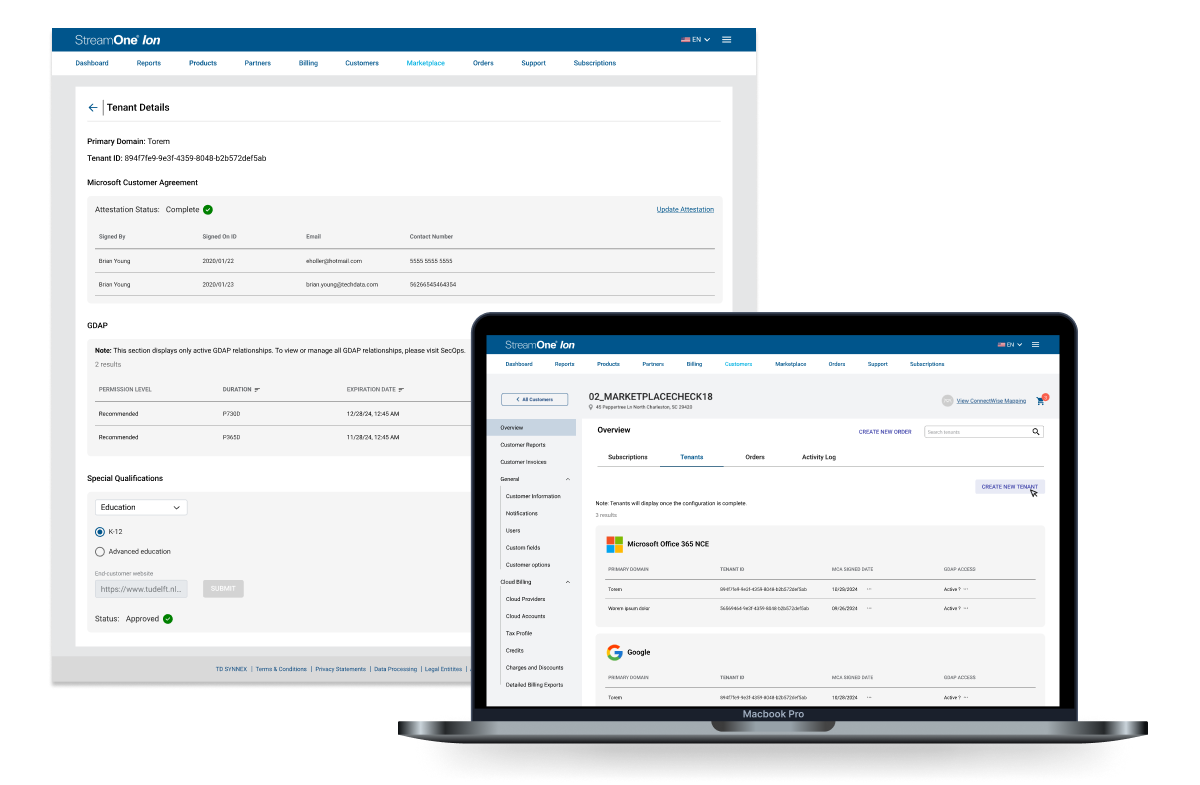
Microsoft Tenant enablement is one of the feature enhancement projects for the StreamOne® platform, which integrates cloud products and services to simplify provisioning, billing, and control. These enhancements enable partners to efficiently manage cloud account usage, costs, and analytics from a centralized location. Additionally, the project includes streamlining operations and improving user experience.
Project Duration
October 2024 – December 2024
The Problem
The platform lacks a dedicated Microsoft tenant object, limiting it to the tenant creation form and subscription configuration in the buy-flow. This creates inefficiencies in the buy-flow and makes it difficult for resellers and end-customers to manage features like the Microsoft Customer Agreement (MCA) and GDAP.
The Goal
The goal is to design and implement a dedicated Microsoft tenant object within the platform that streamlines the buy-flow process, enhances the management of Microsoft Customer Agreements (MCA) and GDAP, and improves efficiency and usability for resellers and end-customers, and includes the functions listed below;
- The ability to manipulate/update the MCA
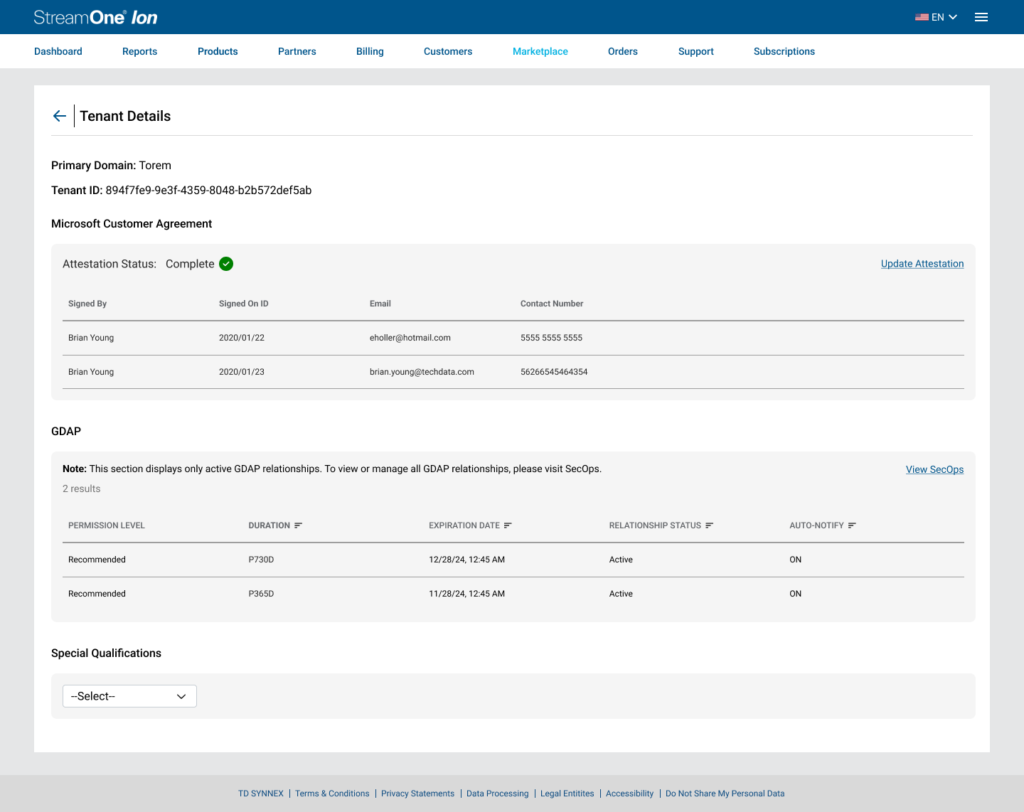
- The ability to see existing GDAP and generate new GDAP links
- See end-customer details as shown in Partner Center, such as Microsoft ID and tenant domain, as well as billing profile.
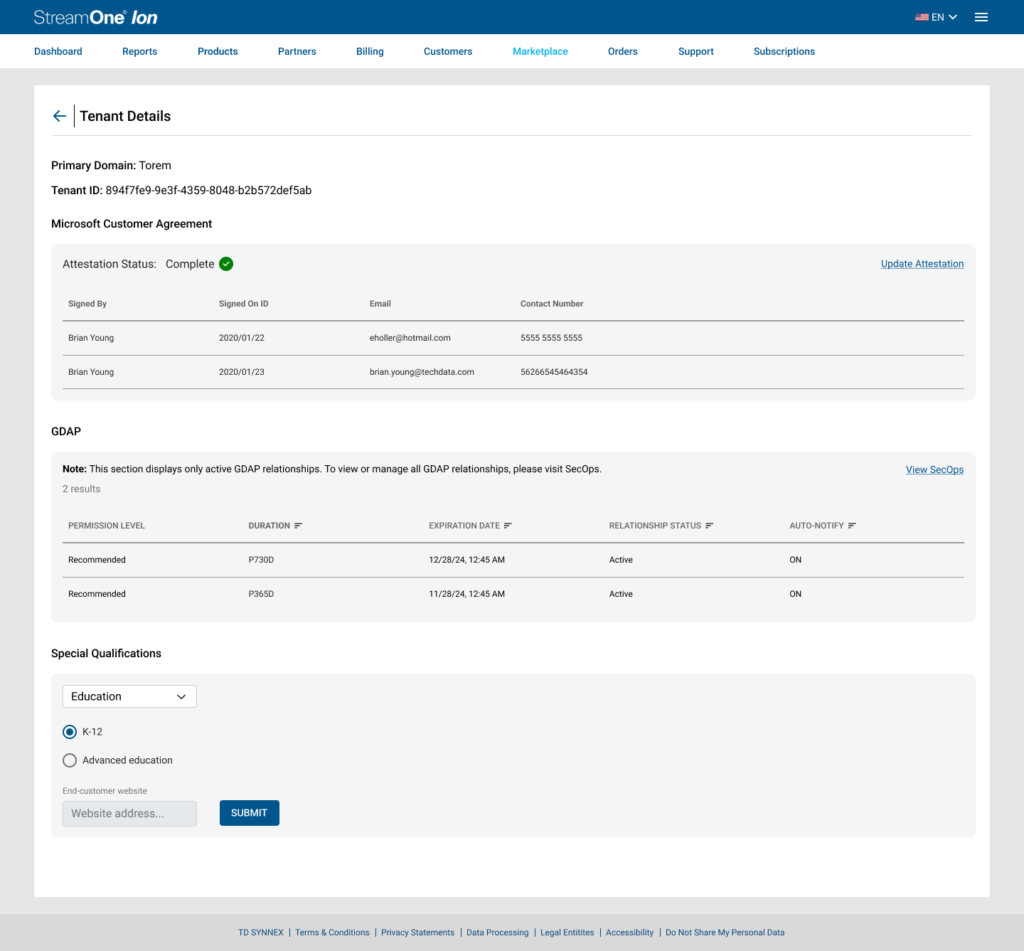
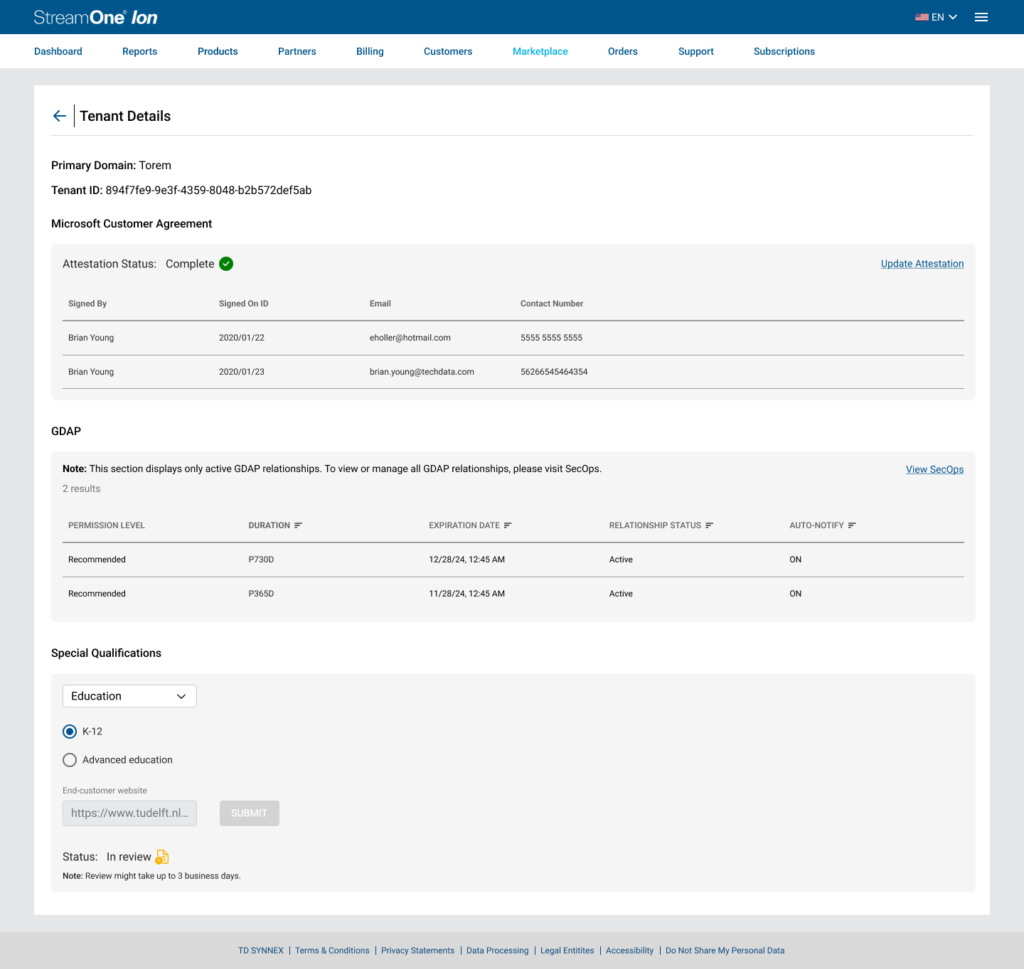
- Enable the ability for a reseller to select Special Qualification such as Education K-12/Higher Education or State Owned Entity.
My Role
UX Lead – Gonca Onusluel Hepekiz
Responsibilities
Collaborating closely with the business, feature’s product managers, developers, and content ops team, my responsibilities include creating digital wireframes, designing low- and high-fidelity prototypes, ensuring accessibility standards, implementing TD SYNNEX branding rules, and iterating on designs to refine user experiences.
Understanding the Feature and the workflow
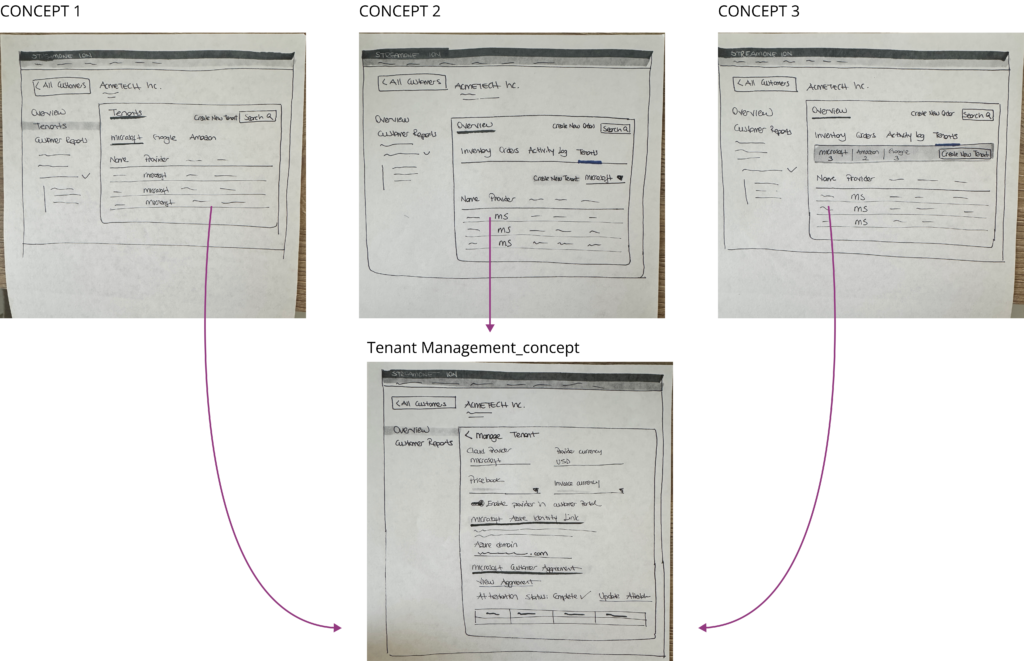
concept exploration
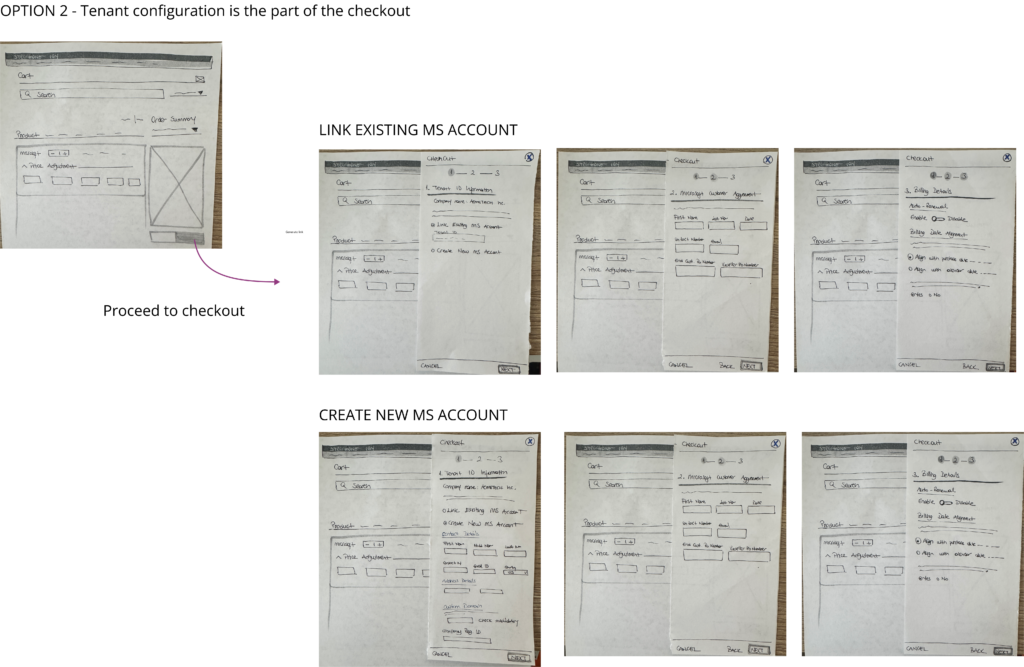
Preliminary content was received from the business, and I started to explore concepts on paper and included possible components there. Also, one of the critical points I had to consider was exploring our current AEM components since, at the beginning of the project, we defined that there would be no new component development for this project.
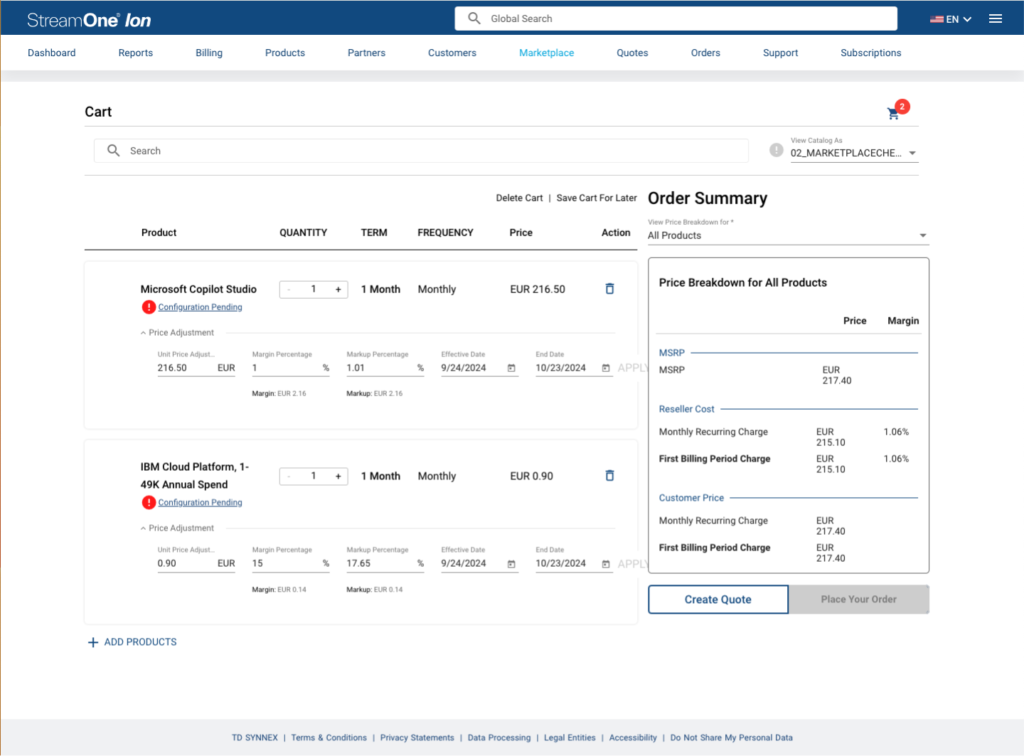
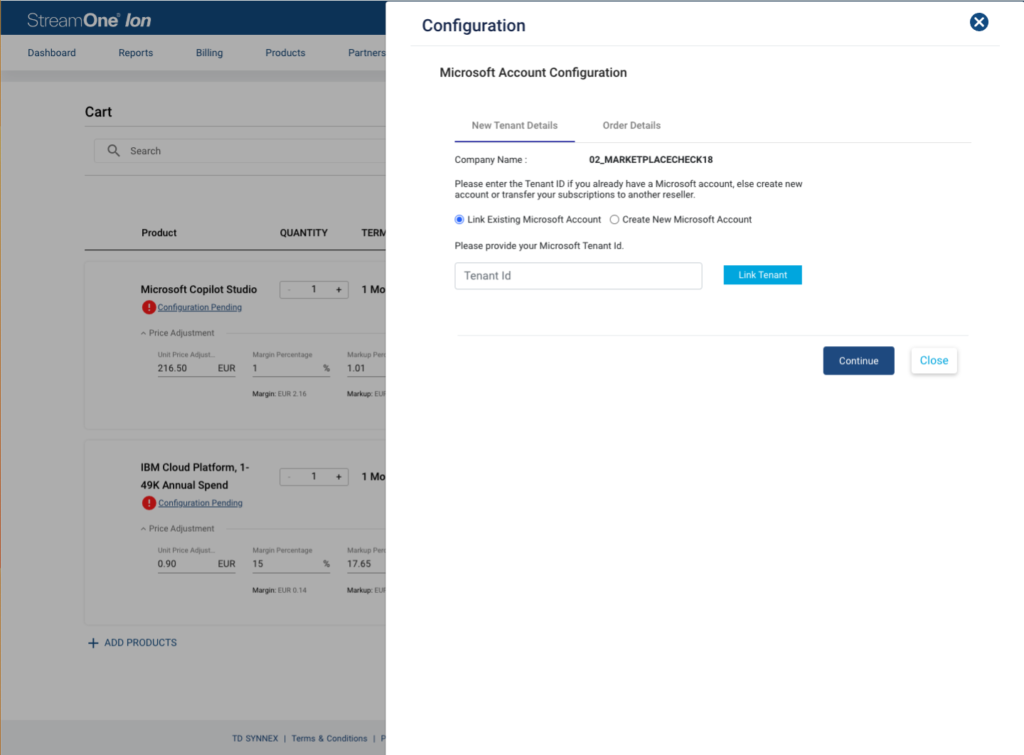
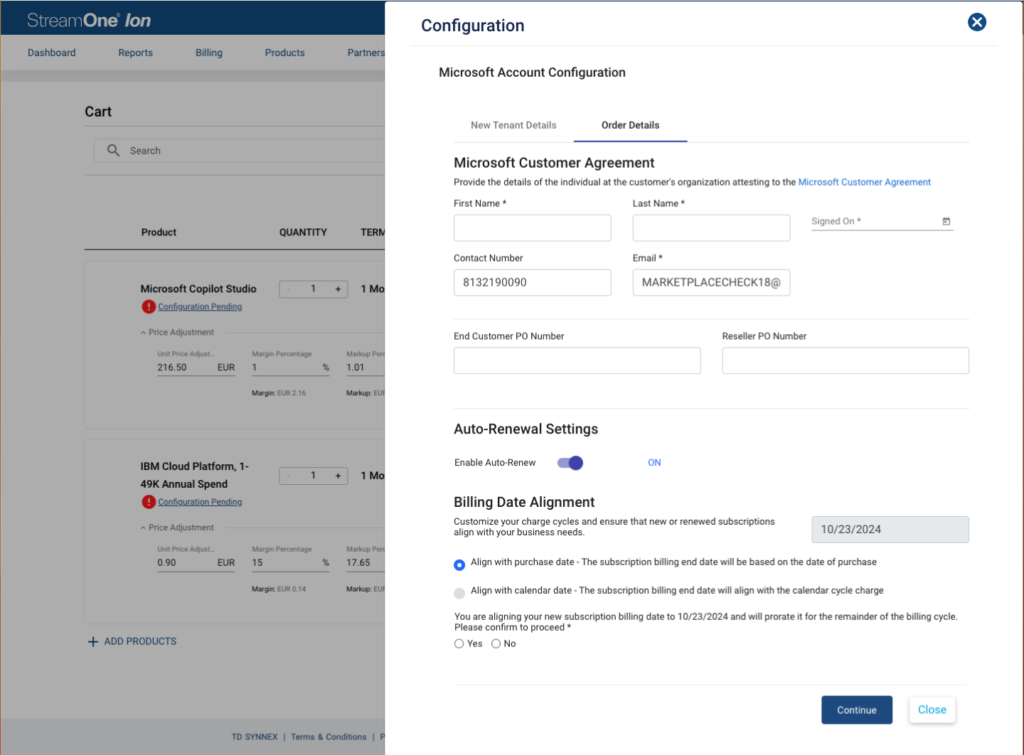
Current platform screenshots
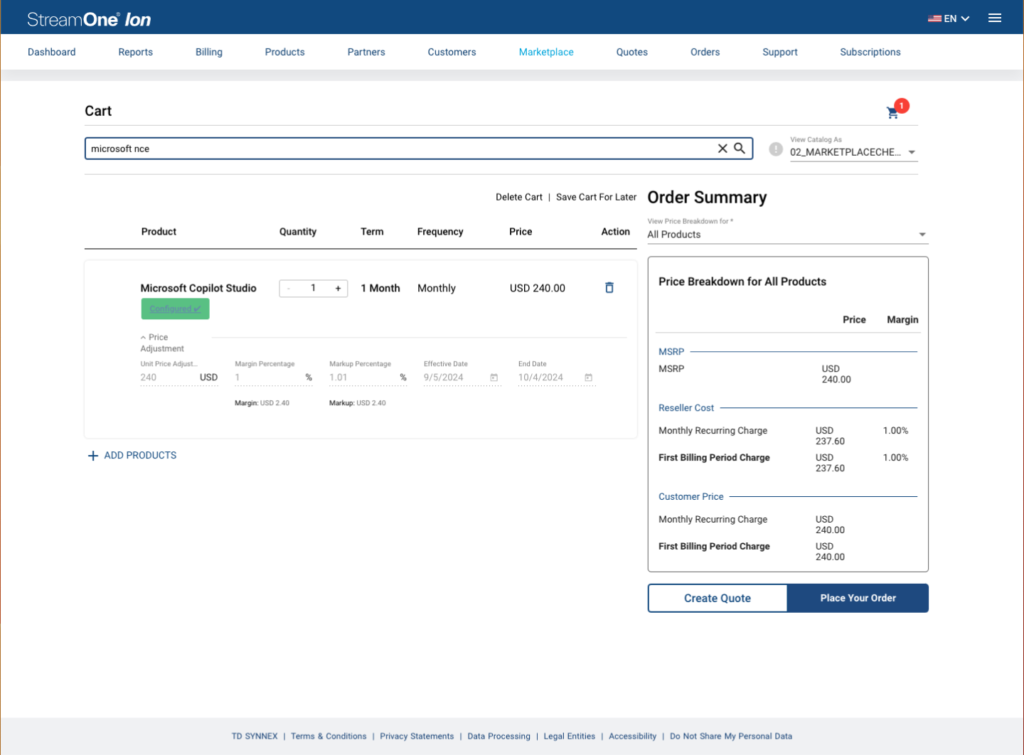
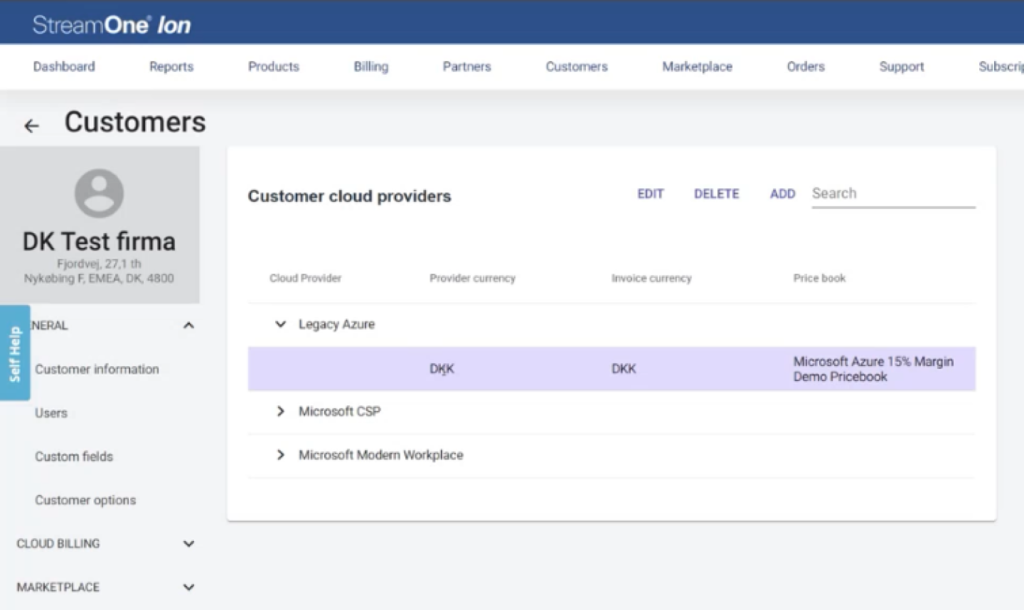
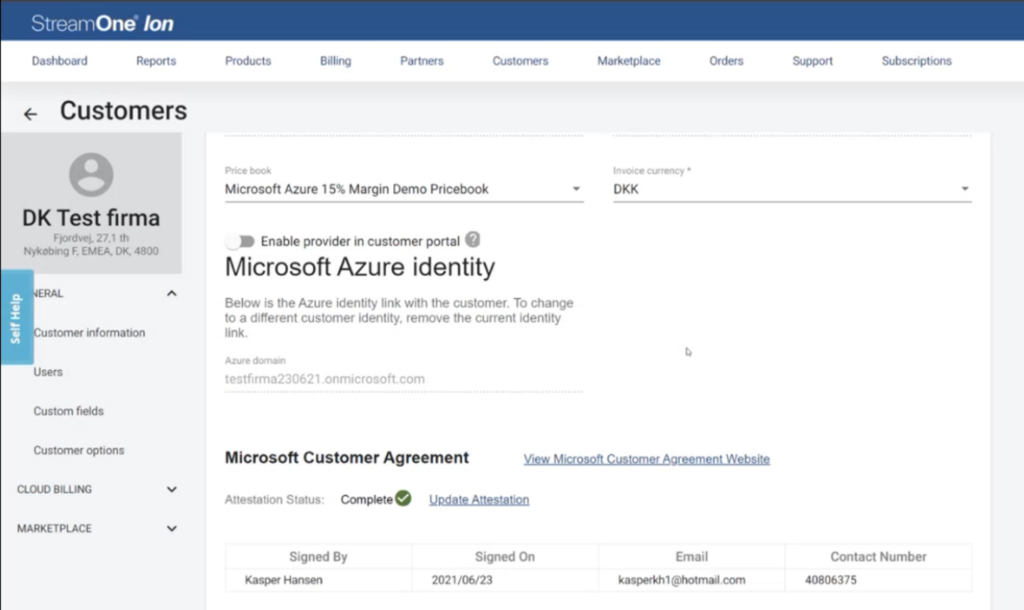
Preliminary sketches
the solution
To address this, promotion-eligible products are tagged to inform users before adding them to the cart. In the cart view, users can see if they’ve added promotion-eligible products, with guided modals providing clear instructions on the next steps. This ensures effective communication and a seamless purchase experience.
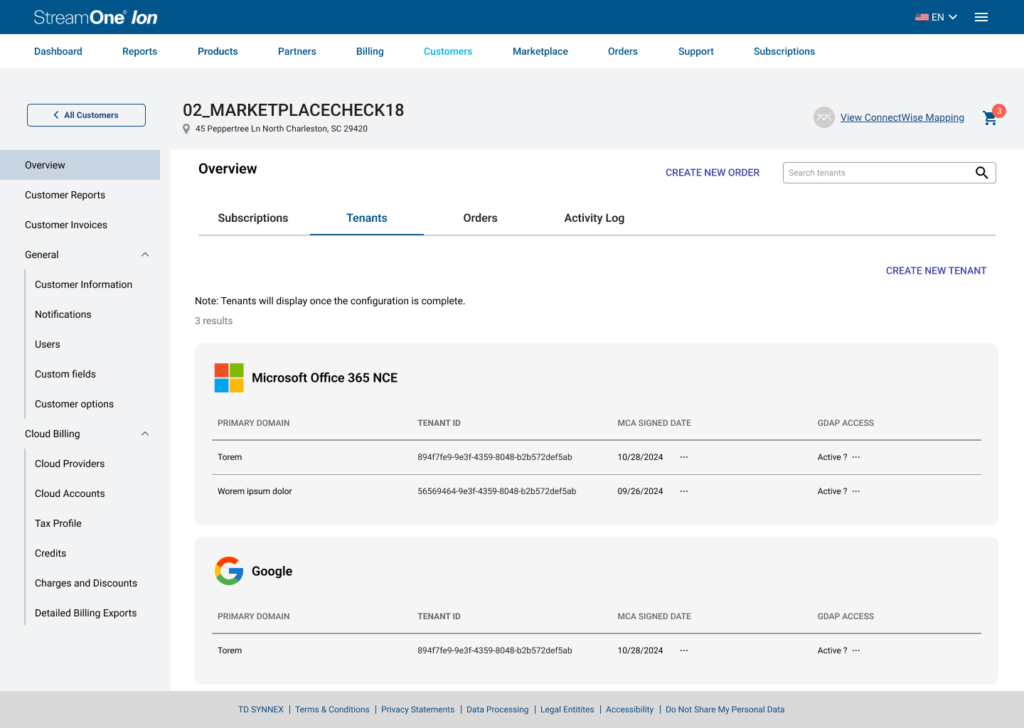
Frames from Proposed design solution
Linking tenant as a part of customer overview
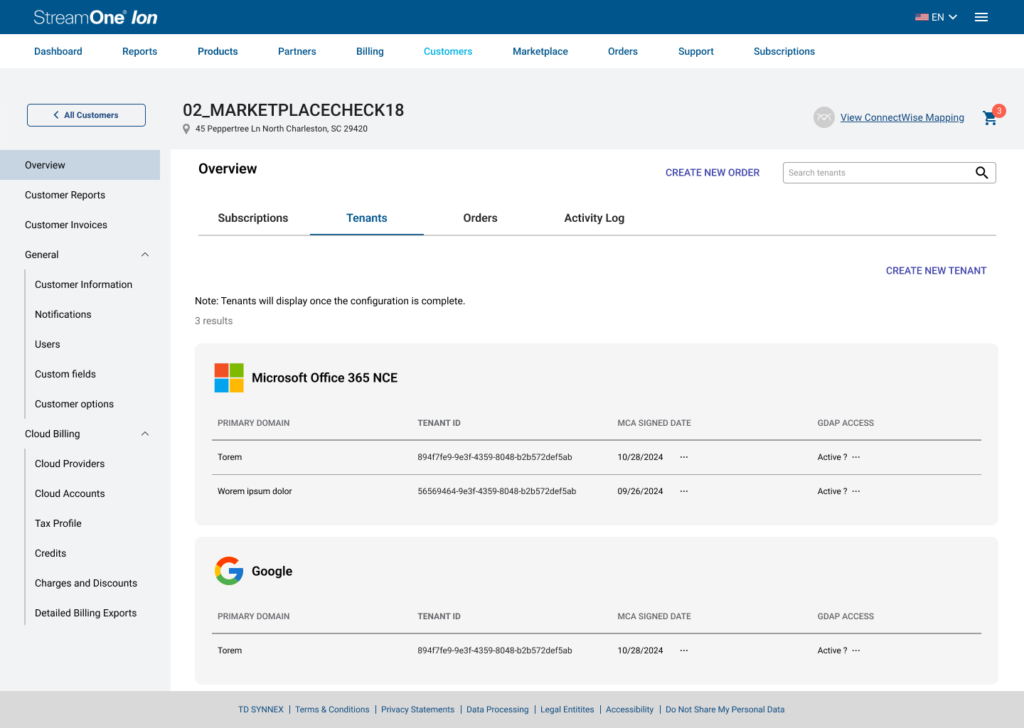
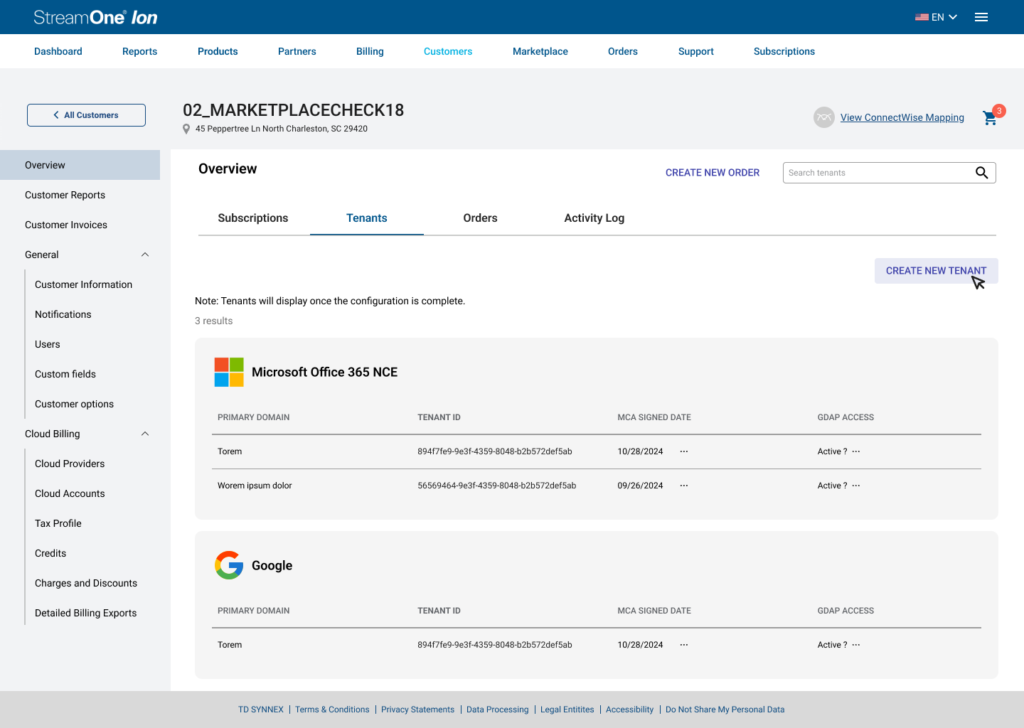
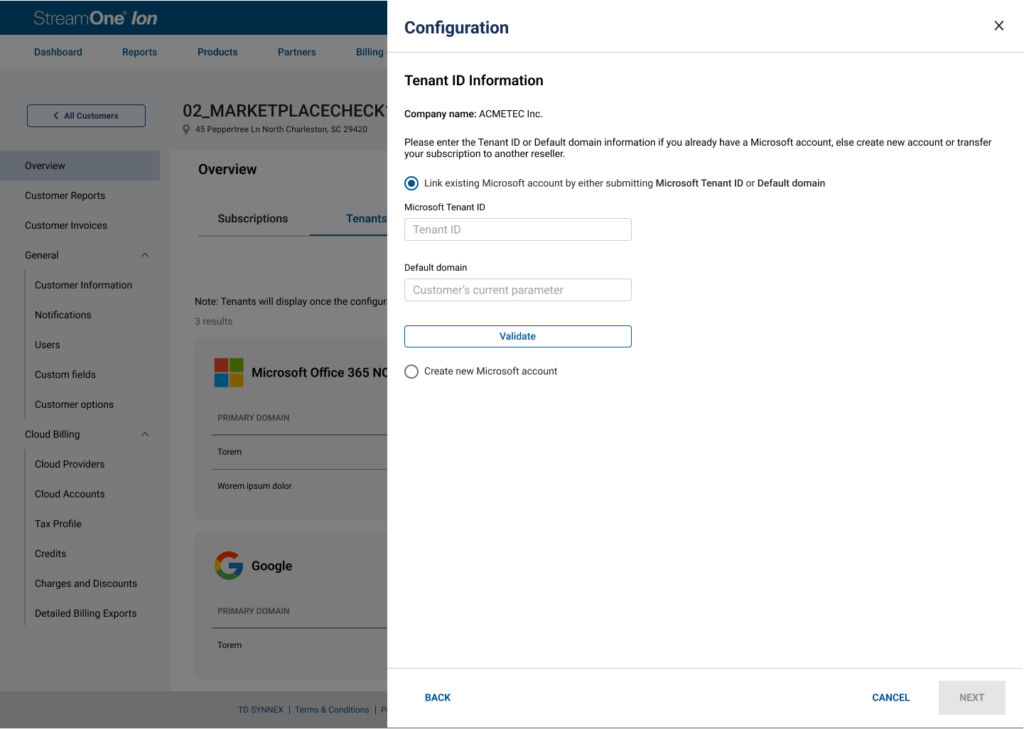
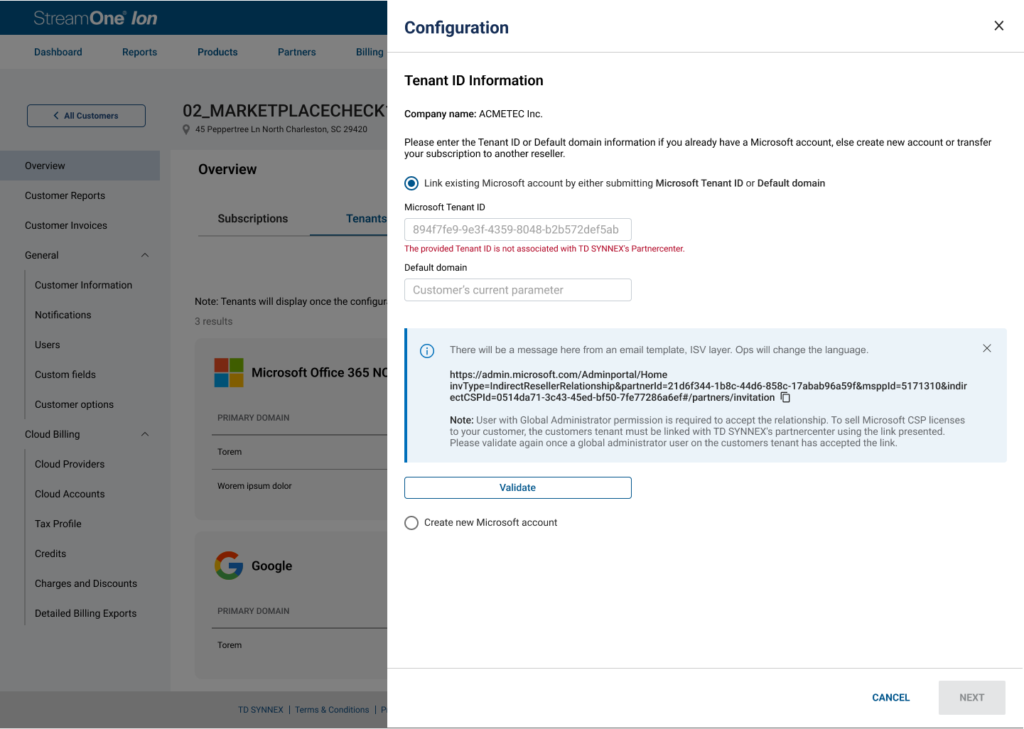
introducing Tenant details